

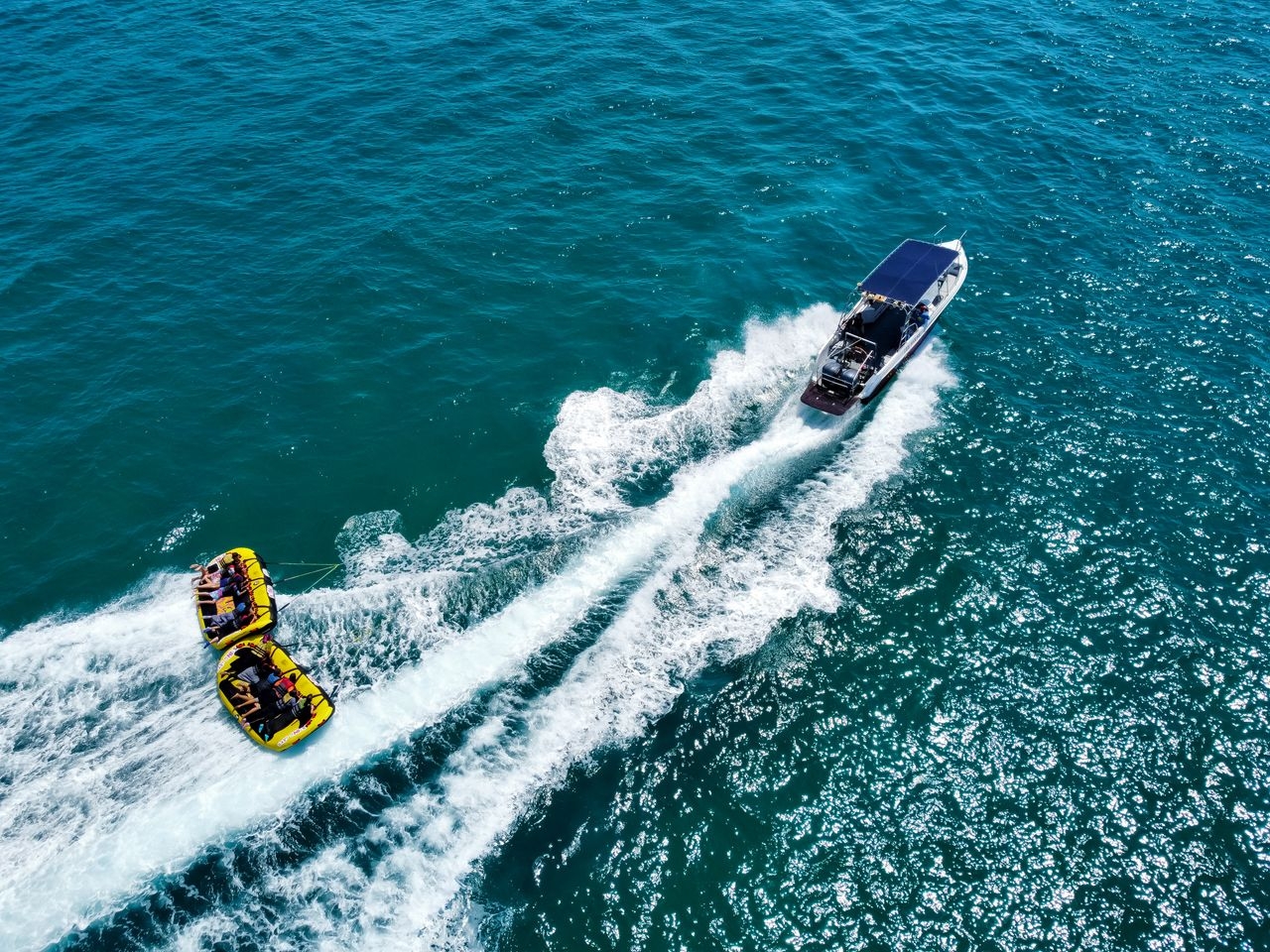
You went out on the water expecting a day with friends, family, or other passengers. You were not at the controls and were relying on someone else to operate the boat safely.
Then something went wrong.
Maybe the boat collided with another vessel, struck a dock or fixed object, hit a wake at an unsafe speed, or suddenly threw passengers from their seats. Now you are dealing with injuries, medical treatment, missed work, and questions about who may be responsible.
When you are injured as a passenger, determining responsibility can be more complicated than simply identifying who owned the boat. A New Jersey boating accident may involve the operator of the boat you were riding in, another vessel operator, an owner, a rental business, or another party whose actions contributed to the crash.
Understanding what happened, and who controlled the decisions that led to it, is an important first step.
Is the Boat Operator Responsible for a Passenger's Injuries?
A boat operator is not automatically responsible simply because a passenger was injured. The circumstances leading to the accident matter.
New Jersey law prohibits reckless operation of a vessel, including operation that disregards the rights or safety of others and unnecessarily creates a risk of injury or property damage.
An operator's actions may therefore become important if the crash involved conduct such as:
- Traveling too fast for the conditions
- Failing to maintain a proper lookout
- Getting too close to another boat or object
- Operating while distracted
- Carrying more people or weight than the vessel's permitted capacity
- Failing to respond appropriately to weather, waves, or boating traffic
- Operating while impaired
The key question in an injury claim is not simply whether an accident occurred. It is whether someone's conduct contributed to causing your injuries.
What If Another Boat Caused the Crash?
Sometimes the person operating the boat you were riding in did nothing to cause the collision.
Suppose you were a passenger when another vessel crossed into your path, approached at an unsafe speed, or collided with your boat. In that situation, the conduct of the other boat operator may be central to determining responsibility.
Other crashes can be more complicated because the actions of operators on both vessels contributed to what happened.
That is why investigators may look beyond the point of impact. Vessel locations, speed, direction of travel, visibility, navigation rules, witness accounts, photographs, video, and statements from the people involved can help explain how the collision developed.
If you were injured in a crash involving more than one vessel, identifying each potentially responsible party can be particularly important.
Does the Boat Owner Automatically Have to Pay?
Not necessarily.
The person operating a recreational boat may also own it, but ownership and operation are not always the same thing. You may have been riding on a friend's boat while someone else was at the controls, for example.
The fact that someone owns a vessel does not by itself answer whether that person is legally responsible for a passenger's injuries.
Instead, responsibility involving an owner can depend on the owner's own conduct and the particular circumstances. Questions may include who was permitted to operate the boat, whether the vessel was properly maintained, whether the owner knew about a dangerous mechanical problem, and what role the owner played in the events leading to the accident.
Separating who owned the boat from who caused or contributed to the dangerous condition or operation helps prevent assumptions about liability before the facts are known.
What If You Were Injured on a Rented Boat?
Rental boats can add another layer to the investigation.
If you were injured while riding in a rented boat, liability does not automatically shift to the rental company. The actions of the person operating the vessel still matter.
But the condition of the boat and the rental company's own conduct may also need to be examined.
For example, an investigation could look at whether a mechanical failure contributed to the crash, whether required equipment was provided, whether applicable pre-rental safety requirements were followed, or whether a known problem with the vessel was left unaddressed.
The specific rental agreement, maintenance information, inspection records, and circumstances surrounding the rental may help determine whether the business itself played any role in causing the accident.
What Evidence Can Help Show What Happened?
A boat crash can happen in seconds, and the scene may look very different by the time everyone reaches shore.
Evidence collected soon after the accident can therefore become important.
Depending on the circumstances, useful information may include:
- Photographs or videos of the boats and damage
- The vessel names and registration information
- Names and contact information for passengers and other witnesses
- Photographs of the location and surrounding conditions
- Marina, dock, or nearby surveillance footage
- GPS or navigation information
- Rental and maintenance records
- Medical records documenting the injuries
- Law enforcement records and other information documented by responding authorities that may be available
New Jersey also imposes specific duties after boating accidents. Under N.J.S.A. 12:7-34.46, vessel operators generally must provide necessary assistance when they can do so without serious danger, provide identifying information to injured people and owners of damaged property, and report certain accidents to the New Jersey State Police. The law also places specific restrictions on the use of the operator's required boating accident report in later judicial proceedings.
You do not need to personally determine every technical cause of the crash. What matters early on is preserving the information that may be available and can help establish how the accident occurred.
At Cohen & Riechelson, we can examine the available evidence to help determine how the crash occurred and whose actions need to be evaluated when determining responsibility.
Can Your Own Conduct Affect a Boat Injury Claim?
Being a passenger does not automatically mean your own actions can never become relevant.
Depending on what happened and which law governs the claim, questions may arise about whether something you did contributed to the accident or your injuries. For example, the circumstances could be different if you ignored a clear safety instruction or engaged in conduct that contributed to what happened.
That does not mean you should assume you were responsible simply because an insurance company raises the issue.
Fault in a boating accident depends on the evidence and applicable law.
In some cases, state negligence principles may be relevant. Depending on where and how the accident occurred, federal maritime law may also affect the analysis, including in certain accidents involving recreational vessels on navigable waters.
The possibility of different legal rules is another reason boating claims should be evaluated based on the particular facts rather than treated exactly like a car accident.
What Should You Do After Being Injured as a Boat Passenger?
Your health comes first. Seek appropriate medical care, including follow-up treatment if symptoms appear or worsen after you leave the water.
Then preserve what you can.
Keep photographs, medical paperwork, receipts, communications about the boating trip, and any information identifying the vessel, its operator, and other people who were present. Avoid guessing about fault when speaking with insurers or other parties if you do not yet know exactly what caused the accident.
It can also be important not to wait too long to preserve and investigate what happened. Boats can be repaired, rental records can change hands, electronic information may not remain available indefinitely, and witnesses' memories can fade.
Documenting the circumstances early can make it easier to determine what evidence exists and which individuals or businesses need to be considered.
Who May Be Responsible After a New Jersey Boat Passenger Injury?
There is no single answer that applies to every boating accident.
Depending on what caused the crash, a claim could involve the person operating the boat, another vessel operator, a boat owner, a rental company, or another party whose conduct contributed to the injury. Some accidents involve one clear cause, while others require examining several decisions, vessels, or potential defendants.
At Cohen & Riechelson, we investigate how serious accidents happened and help injured people understand their options under the law. If you were injured while riding as a passenger on a boat in New Jersey, our attorneys can review the circumstances, identify potential sources of responsibility, and explain the next steps that may be available.
Cohen & Riechelson represents injured clients in Trenton, Hamilton, Princeton, Ewing, and communities throughout Mercer, Burlington, and Middlesex Counties. The firm also serves clients throughout New Jersey and Eastern Pennsylvania.
Contact us to discuss your boating accident and the questions you have about a potential injury claim.
Disclaimer: Results may vary depending on your particular facts and legal circumstances. The articles on this blog are for informational purposes only and are no substitute for legal advice or an attorney-client relationship. If you are seeking legal advice, please contact our law firm directly.