

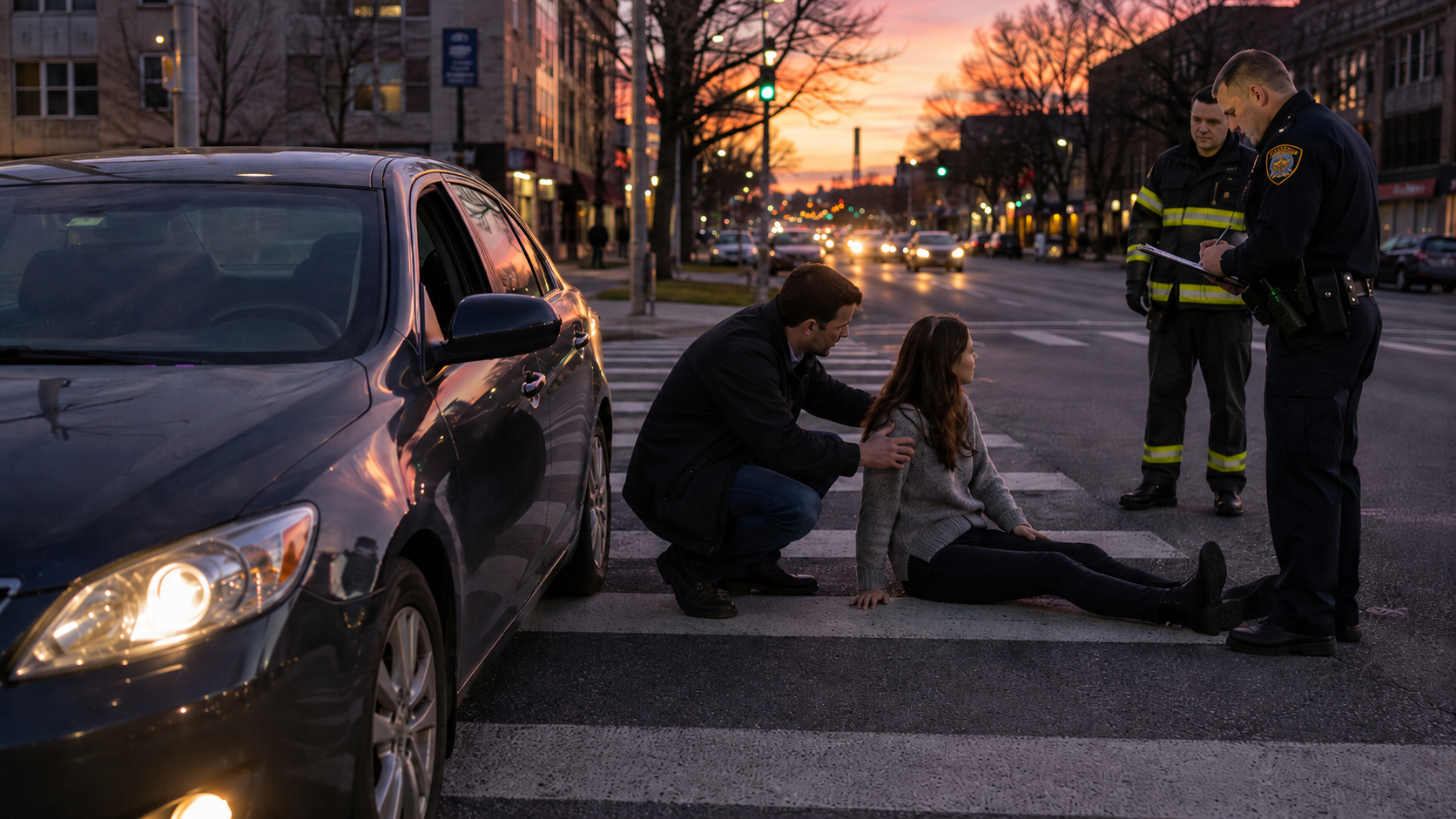
You were walking across a street, through a parking lot, or along a roadway when a car hit you. Later, you learned the driver was working for Lyft or another rideshare company and was transporting a passenger at the time.
Now you need medical care, but another problem has surfaced: whose insurance is supposed to pay the medical bills?
That question can be especially difficult if you do not own a car and do not live with someone whose auto policy provides coverage to you.
A new 2026 New Jersey court decision addresses that situation. In July, the New Jersey Appellate Division ruled that a rideshare company's liability policy must include personal injury protection (PIP) benefits for an otherwise uninsured pedestrian injured by a rideshare vehicle under the circumstances addressed in the case.
The decision does not mean every person hit by an Uber or Lyft driver receives PIP benefits from the rideshare company's insurer. But it answers an important coverage question for pedestrians who otherwise have no direct source of automobile PIP coverage for their medical expenses.
What Happened in the New Jersey Lyft Case?
The case, Boone v. Unsatisfied Claim and Judgment Fund, involved a pedestrian who did not own a motor vehicle and did not live with anyone who owned one.
According to the court's July 24, 2026 published decision, the pedestrian alleged that he was struck by a vehicle while the driver was working for Lyft and transporting a passenger on a prearranged ride.
The Lyft vehicle was covered under a liability policy issued to the rideshare company. But when the pedestrian sought PIP medical-expense benefits, the insurer denied the claim because the policy did not include pedestrian PIP coverage.
The pedestrian also sought benefits through New Jersey's Unsatisfied Claim and Judgment Fund, but that claim was denied as well.
The dispute therefore presented a very practical question: when an otherwise uninsured pedestrian is hit by a rideshare vehicle during a prearranged trip, is the rideshare liability policy required to provide PIP coverage?
The Appellate Division said yes.
What Did the Court Actually Decide About PIP Coverage?
The court concluded that New Jersey law required the Lyft liability policy to include PIP benefits for the uninsured pedestrian.
The ruling was based in part on N.J.S.A. 17:28-1.3, which requires certain motor-vehicle liability policies to provide PIP benefits to pedestrians injured in New Jersey.
The court rejected the insurer's argument that New Jersey's Transportation Network Company Act (the law governing companies such as Lyft and Uber) eliminated that requirement.
The court concluded that the TNC Act and New Jersey's existing pedestrian PIP law must be read together. Because the Lyft policy provided liability coverage for the driver's personal vehicle while it was being used for a prearranged ride, the court held that the policy was required to include the uninsured-pedestrian PIP coverage mandated by the statute referenced above.
The court therefore upheld the order reforming the policy to include the required PIP benefits. It did not decide that every rideshare driver who strikes a pedestrian is negligent or that every injured pedestrian automatically has the same claim.
Why Does the Pedestrian's Insurance Status Matter?
This detail is central to understanding the decision.
The pedestrian in Boone did not own a vehicle and did not live with someone who owned one. That meant he did not have another automobile policy providing PIP benefits for his medical expenses.
For someone in that position, determining whether the rideshare policy provides PIP can make an immediate difference in how accident-related medical expenses are handled.
PIP is often described as “no-fault” coverage because covered medical benefits are not dependent on first proving that another person caused the accident.
That is different from a liability claim seeking damages from someone who negligently caused an injury.
The court emphasized that distinction. The question before it was whether the rideshare insurance policy had to provide PIP medical benefits to the uninsured pedestrian, not whether the Lyft driver was ultimately legally responsible for causing the crash.
Does the Ruling Apply Every Time an Uber or Lyft Driver Hits Someone?
No. The ruling does not mean every pedestrian hit by an Uber or Lyft driver will have the same PIP coverage.
The Boone case involved a particular combination of facts:
- The injured person was a pedestrian
- The pedestrian did not have another source of automobile PIP coverage
- The vehicle was being used by a Lyft driver
- The driver was transporting a passenger on a prearranged ride
- Lyft had a liability policy covering the vehicle
The court limited its holding to the insurance question before it: whether a TNC liability policy must include PIP benefits for an otherwise uninsured pedestrian under New Jersey law.
Other rideshare crashes can present different insurance questions.
For example, the analysis can differ when you were riding inside the Uber or Lyft, when another vehicle caused the crash, when the rideshare driver was logged into the app but had not accepted a ride, or when you have automobile insurance available through your own policy or household.
That is why the new ruling is important without being a universal answer to every rideshare accident.
Why Does the Driver's Rideshare Status Matter?
New Jersey law treats rideshare insurance differently depending on what the driver was doing in the app.
When a rideshare driver is logged into the platform and waiting for a ride request, the Transportation Network Company Act requires one set of insurance coverages.
When the driver is providing a prearranged ride, different and substantially higher liability and uninsured/underinsured motorist limits apply. The statute also contains specific medical-payment provisions for the rideshare driver during an active trip.
In Boone, the driver was already providing a prearranged ride.
For someone injured by an Uber or Lyft vehicle, an important question can therefore be whether the driver was merely logged into the app and waiting for a request or was already providing a prearranged ride. Under New Jersey law, a prearranged ride begins when the driver accepts the ride request and continues until the rider exits the vehicle.
You may not know that information at the scene. Trip records, rideshare-app data, driver information, the police report, and communications with the rideshare company can help establish the driver's status at the time of the crash.
What Should You Save After Being Hit by a Rideshare Driver?
If you are dealing with injuries, you do not need to sort through New Jersey's rideshare insurance statutes on your own.
There are, however, several pieces of information that can help clarify what happened, what the driver was doing through the rideshare app, and which insurance policies need to be reviewed.
If possible, keep:
- The driver's name and insurance information
- The vehicle's make, model, and license plate
- Photographs or video from the scene
- Contact information for witnesses
- The police report information
- Medical records and bills related to the collision
- Any Uber or Lyft trip information you received
- Emails, text messages, app notifications, or insurance letters concerning the accident
If an insurer denies PIP benefits, keep the denial letter or email as well. The reason given for the denial can be important when determining whether the insurer's position fits the particular circumstances.
At Cohen & Riechelson, we can review the available insurance information, rideshare records, and facts surrounding the collision to determine which sources of coverage need to be examined.
Does PIP Coverage Resolve the Entire Injury Claim?
No. PIP coverage and responsibility for causing the accident are separate issues.
PIP primarily concerns covered medical expenses and other benefits provided under New Jersey's no-fault insurance system. A personal injury claim, by contrast, can require examining whether the rideshare driver, another motorist, or someone else acted negligently and caused your injuries.
The Boone decision addressed the first question: whether the rideshare insurer was required to provide PIP benefits to the uninsured pedestrian.
It did not decide whether the Lyft driver caused the accident or resolve any separate claim for damages based on fault.
Keeping those questions separate matters because receiving, or being denied, PIP benefits does not by itself establish who was at fault for the collision.
What Should You Do If You Were Hit by an Uber or Lyft Driver in New Jersey?
If you were struck by a rideshare vehicle, start with your medical care. Then preserve the information that can establish which vehicle hit you, whether the driver was working through Uber or Lyft at the time, and what insurance coverage was in place.
If you have already received an insurance denial, remember that the denial does not necessarily resolve every coverage question. The reason for the denial, your own insurance situation, and the rideshare driver's status at the time of the crash can all matter.
The July 2026 Boone decision gives otherwise uninsured pedestrians an important clarification under New Jersey law, but rideshare insurance remains highly dependent on the facts of the individual accident.
At Cohen & Riechelson, we help people injured in rideshare accidents understand the insurance and liability issues surrounding their claims. If you were hit by an Uber or Lyft driver in New Jersey, our attorneys can review the accident, the driver's rideshare status, available insurance information, and any coverage decision you have received to help you understand what options are available.
Cohen & Riechelson represents injured clients in Trenton, Hamilton, Princeton, Ewing, and communities throughout Mercer, Burlington, and Middlesex Counties. The firm also serves clients throughout New Jersey and Eastern Pennsylvania.
Contact us to discuss what happened and the questions you have about your rideshare accident.
Disclaimer: Results may vary depending on your particular facts and legal circumstances. The articles on this blog are for informational purposes only and are no substitute for legal advice or an attorney-client relationship. If you are seeking legal advice, please contact our law firm directly.