

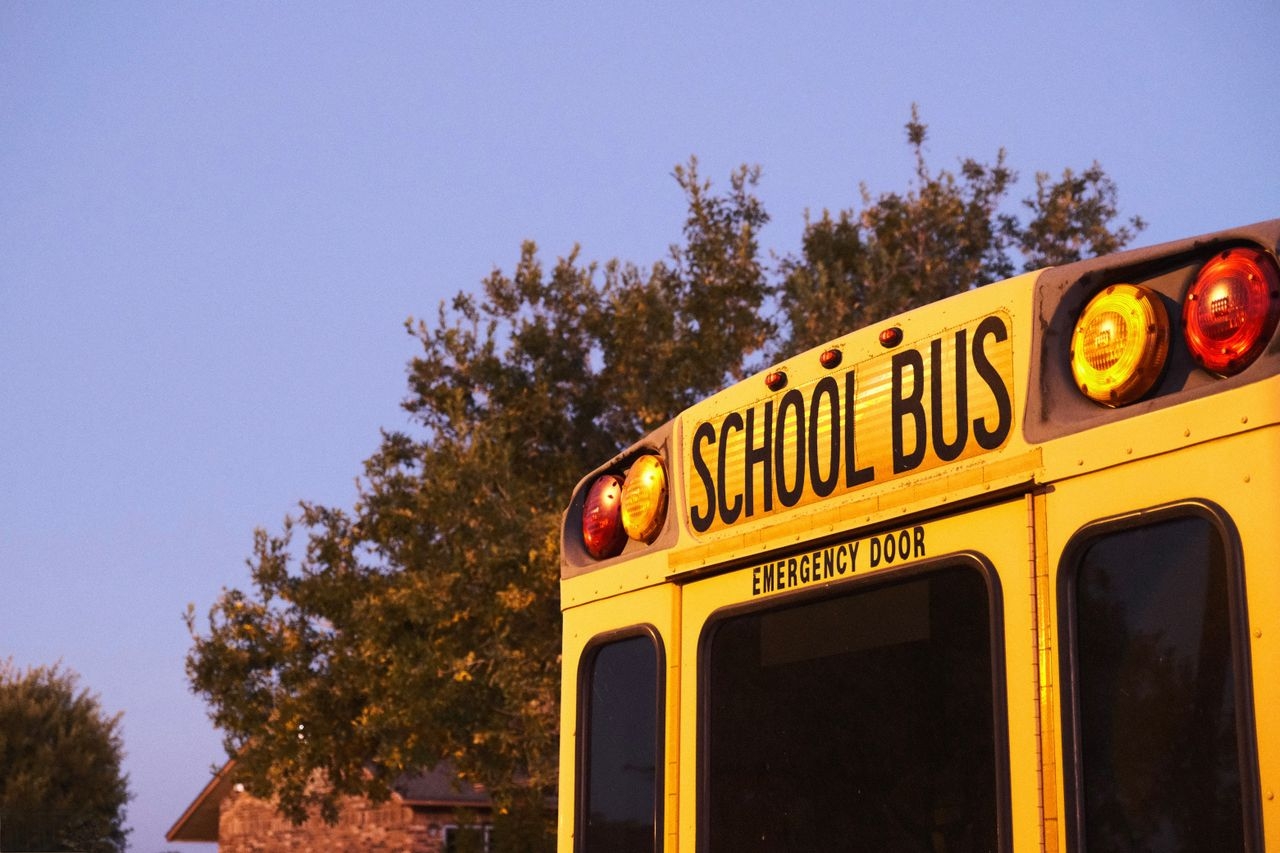
Your child got on the school bus expecting an ordinary ride to school, home, a sporting event, or a class trip.
Then you received a call.
Maybe the bus collided with another vehicle. Maybe the driver braked or turned suddenly, and your child was thrown from the seat. Maybe your child was hurt while getting on or off the bus, or another vehicle struck the bus near a school or bus stop.
Now your child needs medical care, and you are trying to understand something you may not have known before the accident: who was actually responsible for transporting your child safely?
In a New Jersey school bus accident, the answer does not necessarily stop with the person behind the wheel. The driver, a private transportation contractor, a school district, another motorist, or a party responsible for the condition of the bus may need to be examined depending on how the accident happened and who controlled the transportation involved.
What Caused Your Child's School Bus Injury?
The first question is not simply whether your child was riding a school bus. It is what happened immediately before the incident.
A school bus case can begin with very different events.
The bus driver may have rear-ended another vehicle, entered an intersection when it was unsafe to proceed, changed lanes into another vehicle, or lost control while turning. Another driver may have run a red light or crossed into the bus's path. Your child may have been hurt when the bus stopped abruptly, or while boarding or exiting.
Those differences matter because they point toward different conduct, different records, and potentially different responsible parties.
You may know only part of what happened when you first hear about the accident. Your child may remember the impact but not what the driver was doing. The school may tell you there was “an accident” without immediately explaining which vehicles were involved or who employed the bus driver.
That information can be determined later. The important first step is separating the fact that your child was on a school bus from the specific event that caused the injury.
Could the School Bus Driver Be Responsible?
Like other drivers, a school bus driver is expected to operate the vehicle with reasonable care under the circumstances.
If the driver was speeding, following another vehicle too closely, driving while distracted, failing to yield, making an unsafe turn, or otherwise operating the bus in a way that contributed to the crash, the driver's conduct can become part of determining responsibility.
School bus cases can also involve actions that are more specific to transporting children.
For example, questions may arise about what happened while students were boarding or exiting, whether the bus was positioned appropriately, or whether the driver was properly trained and followed required procedures during the trip.
An accident does not prove that the bus driver did something wrong. A collision may have been caused entirely by another motorist or by circumstances outside the driver's control.
That is why the driver's conduct has to be evaluated against what actually happened rather than assumed from the fact that a child was injured.
When Can a Private Bus Company Be Responsible?
The school district and the company operating the bus are not always the same organization.
New Jersey school districts may use contracted transportation providers. In other situations, a district may own vehicles or directly provide transportation.
If a private transportation company employed the driver involved in the accident, the relationship between the driver and the company becomes important. The company's own conduct may also need to be examined if the facts raise questions about driver qualifications, supervision, vehicle maintenance, or compliance with transportation requirements.
That does not mean a transportation contractor is automatically responsible whenever a child is hurt on one of its buses.
The issue is what conduct caused or contributed to the injury and which person or organization was responsible for that part of the transportation.
Can a School District Be Responsible for a School Bus Accident?
Possibly, but the involvement of a school district does not by itself establish liability.
A district may operate its own buses, employ transportation personnel, or contract with a private company to transport students. Those arrangements can affect which actions belong to the district and which belong to a contractor.
For example, a district's role can become part of determining responsibility if it directly operated the vehicle or if the facts raise a separate question about something the district itself was responsible for in arranging or providing transportation.
Claims involving a public school district also raise an additional issue that does not ordinarily exist when a claim is only against a private driver or company: New Jersey's Tort Claims Act governs many claims against public entities and public employees.
That means identifying early whether a public entity is potentially involved can be important. The rules governing notice and claims against public entities are different from the rules that apply in an ordinary claim against a private party.
What If Another Driver Caused the School Bus Crash?
Sometimes the school bus and its driver are not the cause of the collision at all.
Another motorist may rear-end the bus, enter its lane, disregard a traffic signal, or strike the bus at an intersection.
When that happens, the other driver's conduct can become central to the injury claim.
In some crashes, more than one driver's conduct may need to be evaluated. For example, another vehicle may enter the bus's path while there is also a question about whether the bus driver had enough time or distance to respond.
The police report, witness accounts, vehicle damage, roadway evidence, available video, and other information can help reconstruct what occurred rather than relying solely on the first explanation given after the crash.
Could a Mechanical Problem Have Contributed to the Crash?
Not every school bus accident begins with a driving decision.
A problem involving brakes, tires, steering, doors, or another part of the vehicle may also need to be investigated when there is evidence that a mechanical condition contributed to what happened.
In that situation, relevant questions can include who owned the bus, who was responsible for inspecting or maintaining it, whether there had been an earlier problem, and what repairs or inspections occurred before the accident.
A mechanical problem discovered after a crash does not automatically establish negligence. The question is whether the condition contributed to the accident and whether someone responsible for the vehicle knew or should have addressed the problem under the circumstances.
What Records Can Help Explain a New Jersey School Bus Accident?
School bus cases can produce records that would not exist in an ordinary motor vehicle accident.
New Jersey requires reporting of school bus accidents involving both board-owned school vehicles and vehicles operated under contract with a district. Depending on what happened, records may therefore exist with the school district, transportation company, police, or the New Jersey Department of Education.
If your child was injured, useful information can include:
- The bus number and route.
- The driver's name and the name of the transportation company.
- Notices, emails, or messages you received from the school.
- The police report or accident-report information.
- Photographs or video of the vehicles or accident location.
- Names of students, parents, staff members, or other witnesses.
- Your child's medical records and treatment instructions.
- Any information identifying another vehicle involved in the collision.
If your child tells you something specific about what happened, such as the bus stopping suddenly, another vehicle striking the bus, or an incident while getting on or off, write down what you were told while the details are still fresh.
At Cohen & Riechelson, we can examine the transportation arrangement and available accident records to determine which people, companies, or public entities need to be evaluated and what additional information may be important.
Why Can Timing Matter When a Public School Is Involved?
Your child's health understandably comes first.
But when a public school district or another government entity may be involved, it can also be important to identify that issue early because New Jersey applies special procedural rules to claims against public entities.
The New Jersey Tort Claims Act generally requires notice of a claim against a public entity within 90 days after the claim accrues. However, different timing rules can apply when the injured person is a minor, and related claims belonging to a parent or another family member can raise additional timing questions.
For that reason, you should not assume that the ordinary deadlines you may have heard about for personal injury claims answer every timing question in a school bus case. Identifying early whether a public school district or another public entity may be involved can help determine which notice and filing rules apply.
What Should You Do If Your Child Is Hurt in a New Jersey School Bus Accident?
Start with your child's medical care.
Tell the medical provider how the injury occurred and follow any recommendations for treatment or follow-up. Some injuries are apparent immediately; others can become clearer after your child has gone home or some time has passed.
Next, save the information you receive from the school, transportation company, police, medical providers, and insurers. Keep the bus or route information if you have it, along with photographs, emails, accident notices, and bills.
You do not need to determine on your own whether the bus driver, contractor, school district, another motorist, or another party was legally responsible. What matters is identifying how the accident happened, who controlled the relevant part of your child's transportation, and which records can help answer those questions.
Talk to Cohen & Riechelson About Your Child's School Bus Accident
At Cohen & Riechelson, we represent children injured in school bus and other motor vehicle accidents and help parents understand what happened and what legal issues may follow. If your child was hurt while riding, boarding, or exiting a school bus, our attorneys can review the circumstances, identify the people or organizations whose conduct needs to be examined, and explain the options that may be available to your family.
Cohen & Riechelson serves injured clients in Trenton, Hamilton, and communities throughout Mercer County, as well as New Brunswick, South Brunswick, and communities throughout Middlesex County. The firm also serves clients throughout New Jersey and Eastern Pennsylvania.
Contact us to discuss what happened and the questions you have about your child's school bus accident.
Disclaimer: Results may vary depending on your particular facts and legal circumstances. The articles on this blog are for informational purposes only and are no substitute for legal advice or an attorney-client relationship. If you are seeking legal advice, please contact our law firm directly.